Body Treatments
Body Onda: When Will You Notice Changes in Sagging Skin?
Hello.
I’m Lee Kang-in, Director of Kind Global Clinic, and I listen carefully to every patient.

My skin seems loose after losing weight.
Can I expect results from Onda Lifting?
Many people worry that their skin looks saggy after successfully losing weight.
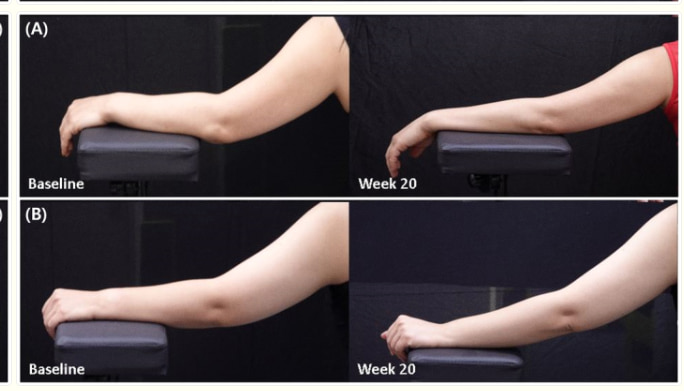
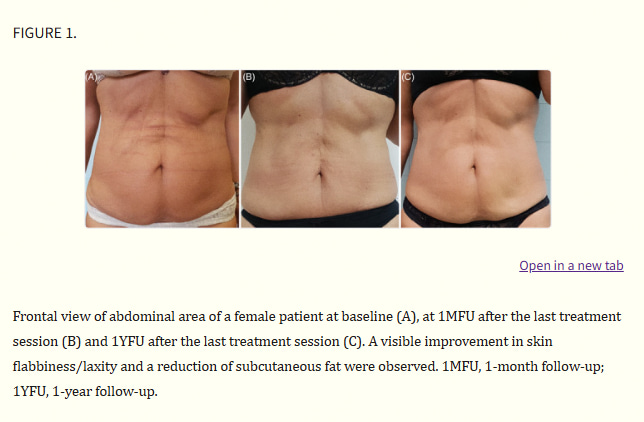
These changes can be more noticeable in areas where a lot of fat has been lost, such as the abdomen, upper arms, thighs, and flanks.
If you’ve been looking for a way to address these concerns, you may have come across “Body Onda.”
When you search online, you may find it harder to come across information about Body Onda than information about facial treatments.
Today, I’ll go over some common questions about Body Onda and answer them one by one.
I’ve gathered the information you may be wondering about, so please read on. ^^
<Contents>
1. Which areas can Body Onda treat?
2. When do results usually appear?
3. How are the recommended number of sessions and treatment intervals determined?
4. Is there really no downtime?
1. Which areas can Body Onda treat?
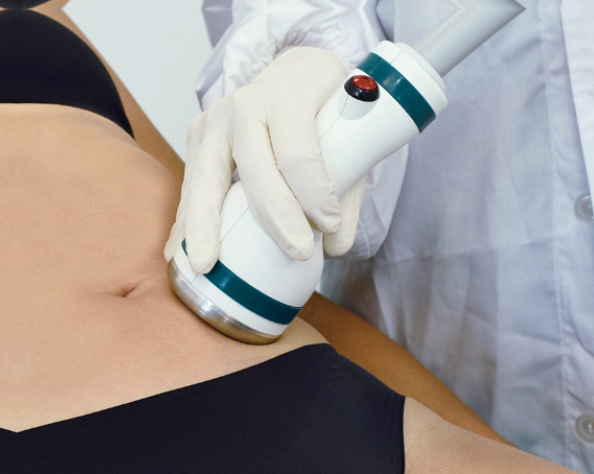
Body Onda is not limited to treating just one area.
It can be used on areas of concern due to excess fat, such as the upper arms, abdomen, flanks, and thighs, as well as around the buttocks.
Abdomen and flanks (love handles)
- Areas with a large treatment surface and a thicker layer of fat
- Approximately 60,000–100,000 lines
Upper arms (loose skin on the inner arms)
- Areas with a relatively thin layer of fat, where loose skin is more noticeable
- Approximately 30,000–50,000 lines for both arms
Thighs (saddlebags and inner thighs)
- Areas where firm fat or cellulite is a concern
- Approximately 60,000–100,000 lines, depending on the treatment area
Hip line (the area beneath the buttocks)
- An area treated to refine loose skin beneath the buttocks and improve the contour
- Usually 30,000–50,000 lines
However, these figures cannot be applied in the same way to everyone.
The thickness and size of the fat layer vary from one area to another, so the number of lines and the handpiece used may also differ.
※ Handpieces
3 mm: Improves skin elasticity
7 mm: Targets the fat layer and improves body contours
Even in the same area, such as the abdomen, the treatment may vary depending on the thickness of the fat layer, skin elasticity, and the changes you want to achieve.
When choosing areas for Body Onda, rather than focusing only on a set number of lines,
it’s important to tailor the settings to the areas that are currently concerning you.
2. When do results usually appear?
Many people wonder whether they’ll see a change in their contours immediately after Onda Lifting.
Some people feel as though their skin has tightened or the treated area looks more defined right after the treatment.
However, it’s difficult to judge the final results based on that feeling alone.
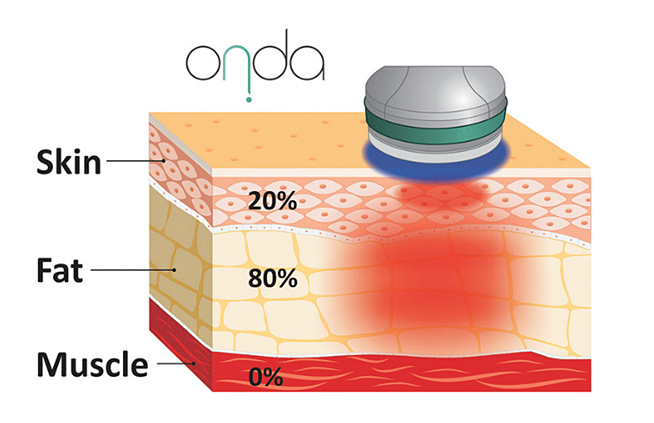
After Onda’s thermal energy is delivered to the deeper layers of the skin, changes in the fat layer occur alongside
the process of “producing new collagen.”
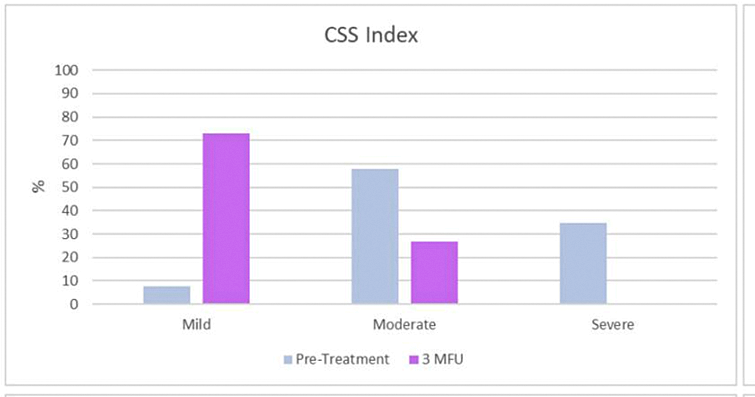
These changes generally appear gradually over several weeks, though the timing can vary from person to person.
“I heard someone saw results after just one session,
but I can’t really tell...”
People may notice different degrees of change because results can take different amounts of time to appear after treatment.
So rather than judging by how you look immediately after treatment,
it’s better to give it time and monitor changes in your contours and skin elasticity.
3. How are the recommended number of sessions and treatment intervals determined?
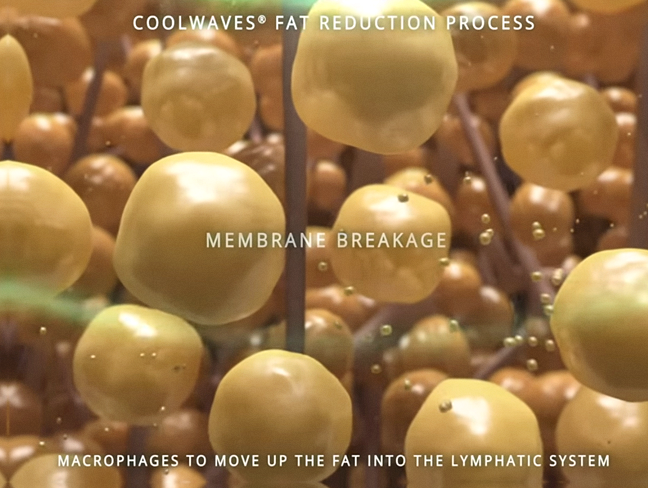
A common approach is to have 2–3 sessions spaced 3–4 weeks apart.
That said, the number of sessions and intervals are not the same for everyone.
How much fat is present
How much skin laxity there is
Which area is being treated and how large it is
These factors can affect the number of sessions and intervals needed.
Therefore, rather than following a set number of Onda Lifting sessions,
it’s important to assess the current condition of your skin and fat,
then adjust the plan based on how things change.
When you have a consultation, don’t just compare the recommended number of sessions—
check whether they carefully assess your current condition and explain the treatment plan. ^^
4. Is there really no downtime?
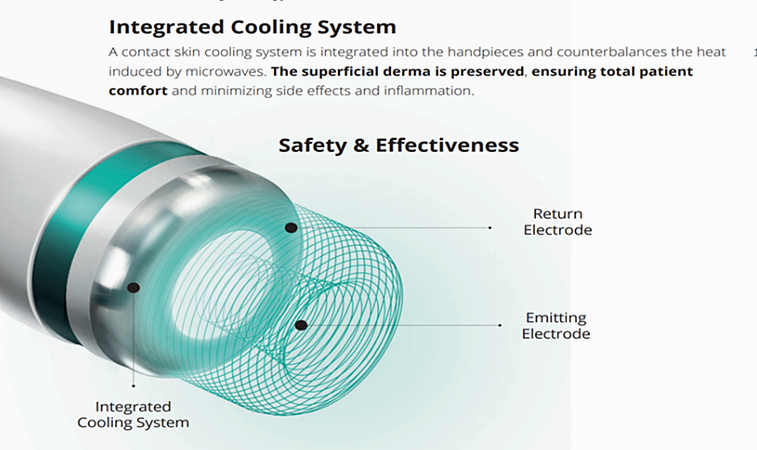
One of Onda’s features is that bruising and marks are generally not very noticeable.
Treatments such as Thermage and Ultherapy may cause reactions like swelling, warmth, or bruising in some people.
The Onda handpiece has a cooling function that can help lower the skin’s surface temperature.
It helps prevent heat from building up excessively in one area, so downtime tends to be minimal.
You may feel both warmth and coolness; the sensation is generally “mildly warm.”
However, if the energy is set too high or the treatment is not suited to your skin,
temporary redness, warmth, or swelling may occur.
As with other skin treatments, Body Onda can also lead to different results depending on
who assesses your skin
and what criteria they use to plan your treatment.
That’s all for today.
I hope this has been helpful if you had questions about Body Onda treatment areas, results, or number of sessions.
Taking the time to look through information online can help you choose a dermatology clinic that’s right for you.
Thank you. This has been Lee Kang-in.
[Related articles you may find helpful]
| Kind Global Clinic, Myeongdong Branch |
| 02-318-2888 |
This post was written by Kind Global Clinic
to provide accurate medical information
in compliance with Article 56 of the Medical Service Act.
All treatments may cause side effects
depending on the individual,
so please consult thoroughly with a medical professional
before making a careful decision.