Laser Hair Removal
Gwanghwamun Men’s Beard Hair Removal: How Many Sessions Until You See a Difference?
Hello.
I’m Lee Won-jin, Director of Kind Global Clinic, and I take the time to listen to every patient. Here’s some helpful information for anyone considering men’s beard hair removal in Gwanghwamun.

I had laser hair removal, but it didn’t work as well as I expected.
I thought the hair wouldn’t grow back,
but it started growing again.
Men often start laser hair removal expecting that after a few sessions, their beard hair will stop growing for good.
But if they don’t see a noticeable difference after two or three sessions, some conclude that “I just wasted money” and stop treatment partway through.
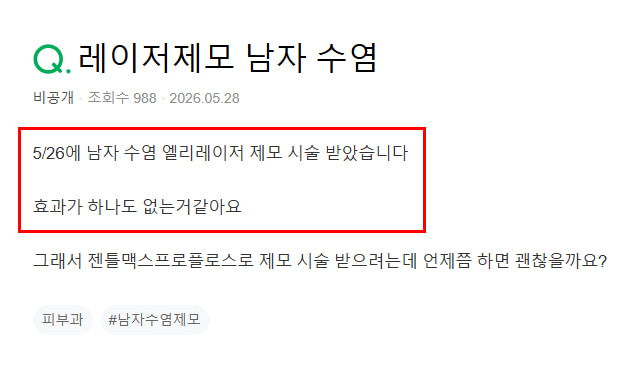
With men’s beard hair removal, it’s difficult to expect a permanent change after just a few sessions.
The process requires repeated treatments to reduce the amount of hair, slow its growth, and make it finer.
In this article, we’ll look at why beard hair removal can be challenging, as well as how many treatments you may need and how far apart to schedule them.
If you’re considering hair removal or feel that your results are taking a while, we hope you’ll find this helpful.
<Contents>
1. Why permanent hair removal is difficult
2. Why the number of sessions and intervals vary
3. How to improve hair removal results
1. Why permanent hair removal is difficult
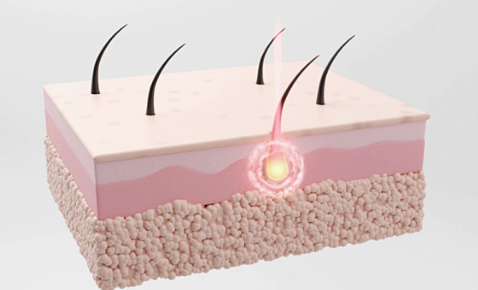
Laser hair removal works by targeting pigment in the hair.
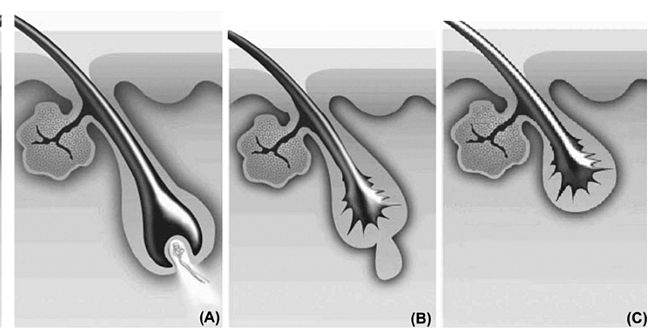
When melanin, the dark pigment in hair, absorbs the laser, it transfers heat energy that damages the hair follicle.
However, this process alone does not easily eliminate every hair follicle.
There are two main reasons:
The hair growth cycle
The tissue surrounding the hair follicle
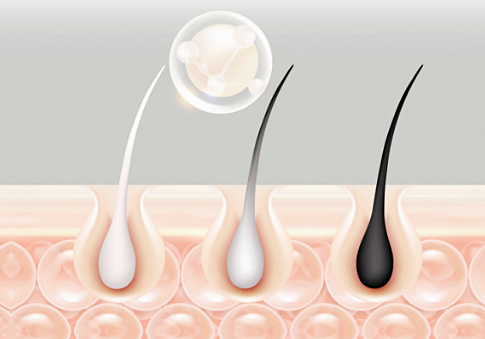
Beard hairs don’t all grow at the same rate. Each hair moves through the anagen, catagen, and telogen phases at different times.
Of these phases, lasers work best on hairs in the anagen, or growth, phase.
Hairs in the telogen, or resting, phase that aren’t visible at the time of treatment may not receive enough laser energy.
Later, when they enter the growth phase, they may respond to laser treatment.
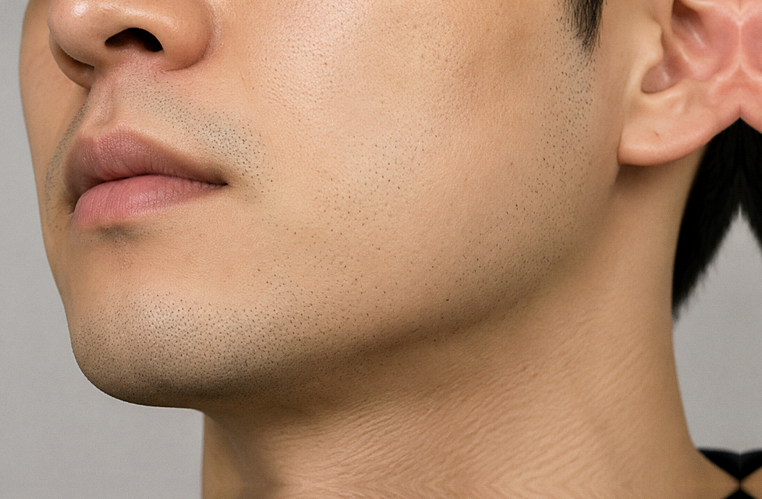
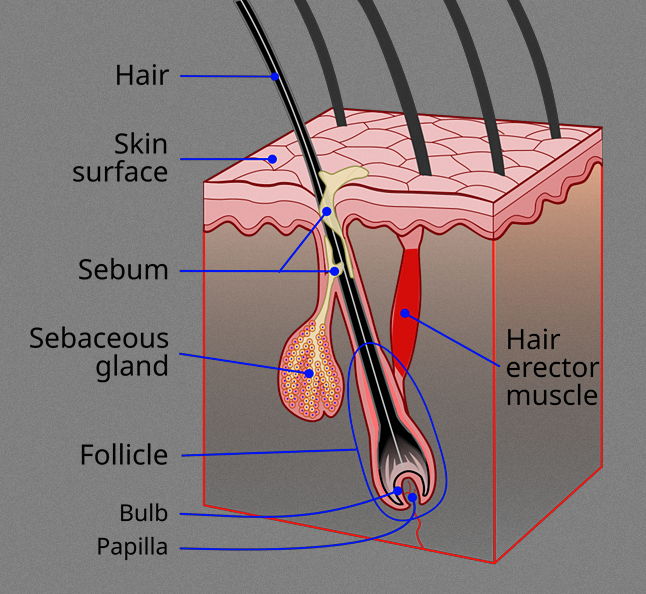
Sebaceous gland tissue is also located right next to the hair follicle.
Sebaceous glands and the surrounding tissue have the ability to heal, so damaged areas may recover.
In other words, even after laser treatment, the area may gradually return to a state close to its original condition.
That’s why repeated treatments are needed to achieve the desired change.
Reducing hair density,
slowing hair growth,
and making the hair finer,
with the results building over time, can ultimately lead to permanent beard hair removal in Gwanghwamun.
2. Why the number of sessions and intervals vary


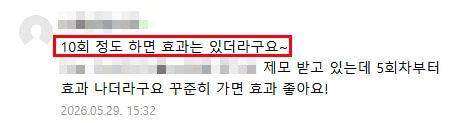
For men’s beard hair removal in Gwanghwamun, results are generally assessed after at least five sessions, and a total of around 10 sessions is commonly recommended.
Sessions are often scheduled about 4–8 weeks apart, taking the hair growth cycle into account.
The number of sessions and intervals aren’t the same for everyone because the laser response can vary depending on factors such as:
Hair thickness and density
Skin type
Treatment area
and other factors.
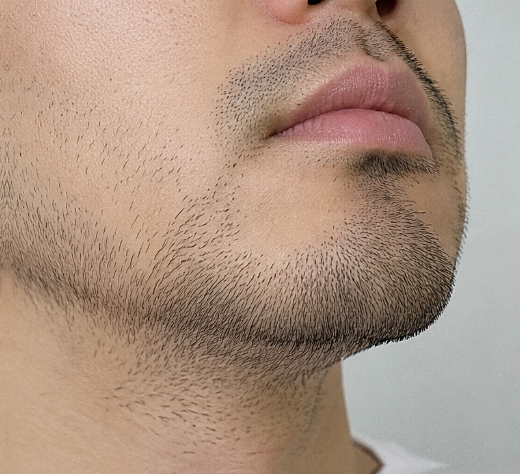
For example, coarse, dense beard hair may mean that more follicles need to be treated.
Because the response of deeper follicles also needs to be assessed, some people may not notice a clear difference even after their fifth session.
On the other hand, what if your beard hair is fine and relatively sparse?
Laser energy can reach the follicles more easily, so some people may see a difference after just two or three sessions.
Hair on the upper lip and chin is often coarse, with deep roots, so changes may take longer to appear.
The cheeks and jawline may respond more quickly.
So rather than following a set number of sessions and intervals, it’s important to consider your beard hair and skin condition together
and create a treatment plan that’s right for you.
3. How to improve hair removal results
When considering the results of men’s beard hair removal in Gwanghwamun, it’s important to consider both the equipment and the treatment settings.
Choosing the right equipment and adjusting the energy based on your skin’s response at each session are important.
One well-known device is the GentleMax Pro Plus.
Wavelengths
Pulse rate
Cooling method
It differs from earlier devices in these three aspects.
First, it uses two wavelengths—755 nm Alexandrite and 1064 nm Nd:YAG—
which can be selected based on skin type, beard hair thickness, and follicle depth.
It also has a fast repetition rate of up to 3 Hz (three pulses per second), allowing for efficient treatment of areas with dense hair.
The skin’s surface is cooled rapidly before the laser is applied, which can help reduce skin irritation while maintaining the heat energy.
It’s important to make use of the device’s features and adjust the settings based on your skin’s response at each session.
Which wavelength to use,
what energy level to set,
and what interval to use between pulses
By assessing each factor and finding the right settings, you can work toward the results you want and permanent hair removal.
Achieving permanent hair removal may take time and effort.
By staying consistent throughout the process, you can reduce the hassle of managing your beard every morning.
Rather than trying to finish treatment in a short time, it’s important to create a plan based on your current beard hair and stick with it.
If you’re considering men’s beard hair removal in Gwanghwamun, don’t compare only the number of sessions or the cost.
Check whether the clinic carefully assesses your current condition and recommends an appropriate treatment approach.
[Related article]
How to Find a Great Men’s Hair Removal Clinic with the Myeongdong GentleMax Pro Plus
| Kind Global Clinic Myeongdong |
| 02-318-2888 |
This post was written by Kind Global Clinic
in compliance with Article 56 of the Medical Service Act
to provide accurate medical information.
All treatments may cause side effects,
depending on the individual.
Please consult thoroughly with a medical professional
before making a careful decision.