Laser Hair Removal
Seoul Myeongdong Dermatology: What to Consider Before the Cost of Leg Hair Removal
Hello.
I’m Lee Won-jin, director of Kind Global Clinic, where we listen carefully to every patient. I’d like to share some useful information for those considering leg hair removal at a Seoul Myeongdong dermatology clinic.

I’m considering laser hair removal for my legs.
At a Seoul Myeongdong Dermatology Clinic: Is 50,000 Won per Session a Reasonable Price?
When looking into laser hair removal for the legs, cost may be the first thing that catches your eye.
It’s natural for patients to look for a more affordable option or compare the terms of current promotions.
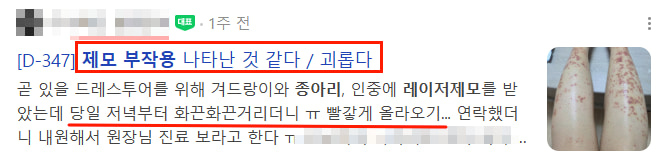
However, if you choose based only on cost, you should also consider the possibility of unwanted reactions such as burns or hyperpigmentation.
Because this is a medical procedure that delivers heat energy to the skin, safety is just as important as cost.
Today, we’ll first look at the skin reactions and side effects that may occur after treatment, and what can cause them,
then walk you through what to check to help reduce discomfort.
<Contents>
1. Symptoms that may occur after treatment
2. First cause: settings that are not suited to your skin
3. Second cause: inadequate cooling
1. Symptoms that may occur after treatment
How to distinguish post-treatment reactions
First, not every change that occurs after treatment is a side effect.
It’s important to distinguish temporary, normal reactions from symptoms that require attention.
Redness in the treated area
Raised swelling around the hair follicles
Mild warmth or a prickling sensation
These symptoms may be a temporary inflammatory response caused by the laser targeting the hair follicles.
In many cases, they gradually subside within a few hours to 2–3 days without any additional treatment.

Blistering or burns to the skin
Severe folliculitis accompanied by pus
Brown patches of hyperpigmentation
Hypopigmentation, which causes the skin to become lighter
If you notice changes like these, you should consider the possibility of side effects that go beyond a temporary reaction.
“What can cause burns or hyperpigmentation?”
When looking at the causes, “treatment settings” and “cooling” are important factors.
Let’s look at each one below, based on objective research.
2. Cause: settings that are not suited to your skin
Laser settings tailored to your skin
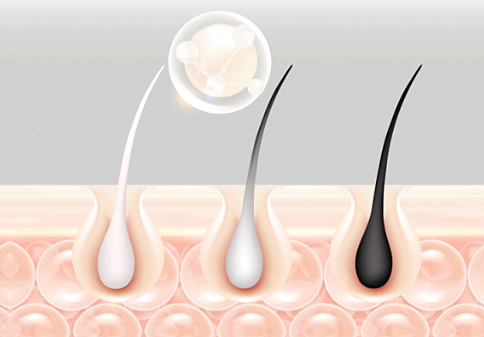
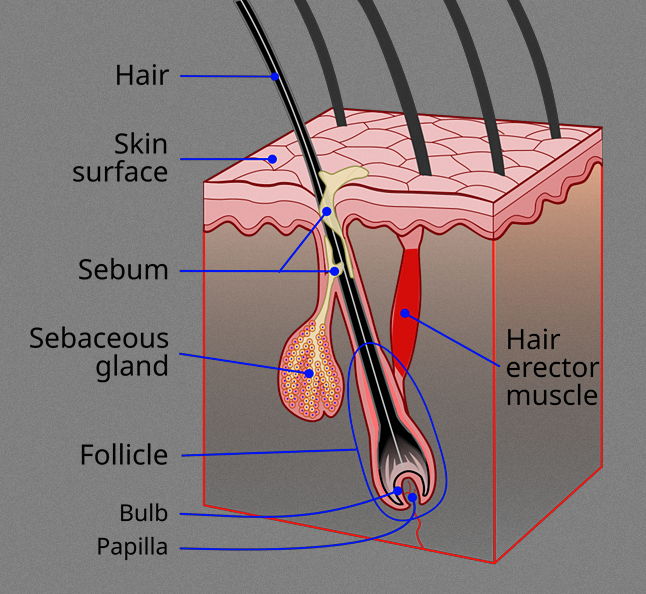
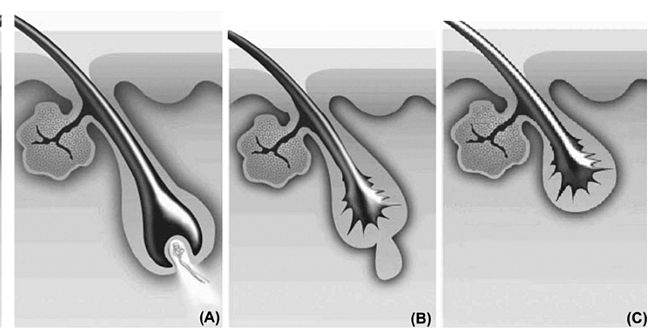
Laser hair removal works by having the melanin in the hair absorb laser energy and generate heat,
which then acts selectively on the hair follicles.
The key is to deliver the necessary heat to the follicles while avoiding excessive irritation to the surrounding skin.
To do this, treatment settings need to be adjusted to account for individual differences, including skin tone, hair thickness, and hair density.
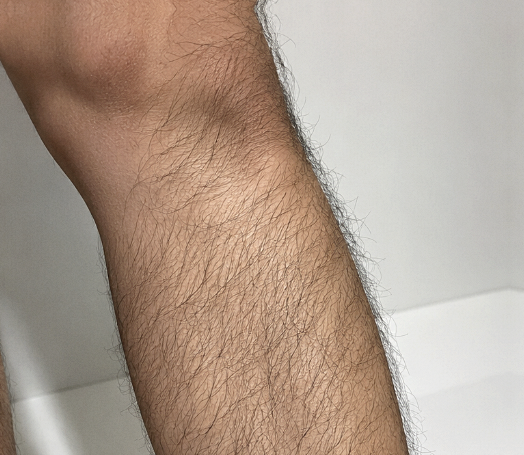
For example, if the skin is relatively dark or the hair in an area is thick and dense,
it’s best to adjust the energy output and treatment parameters to prevent excessive heat from reaching the skin.
That’s because more melanin can absorb more laser energy, which may increase the amount of heat delivered to the skin.
Using the same settings on areas with finer or sparser hair may also be inappropriate.
Increasing the energy more than necessary can expose healthy skin to unnecessary heat.
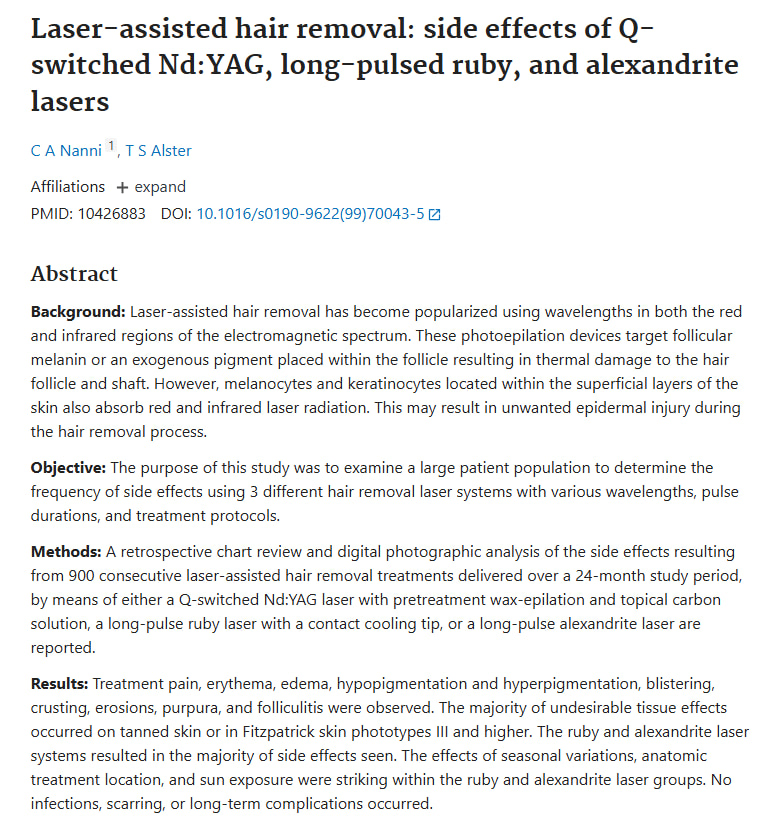
A study by Nanni CA and Alster TS, which examined 900 laser hair removal treatments, also provides relevant findings.
The researchers reviewed the causes of side effects after treatment.
When skin type and laser settings were not carefully considered,
side effects such as burns and hyperpigmentation
were observed more frequently
in these cases.
They noted that patients with higher levels of melanin may be at greater risk of epidermal damage.
Therefore, rather than using the same approach for every patient,
it’s important to carefully adjust the energy to suit each person’s skin.
3. Cause: inadequate cooling
The cooling process helps protect the skin
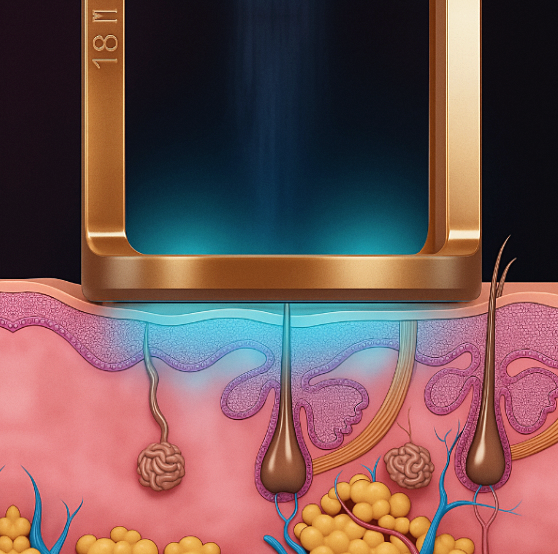
Appropriate cooling during treatment is another important consideration.
For hair removal treatments that use heat, lowering the temperature of the skin on the legs should also be considered.
Adequate cooling can help protect the epidermis and direct the laser energy toward the hair follicles.
What if cooling is inadequate?
Heat may build up on the surface of the leg skin, increasing the risk of burns or hyperpigmentation.
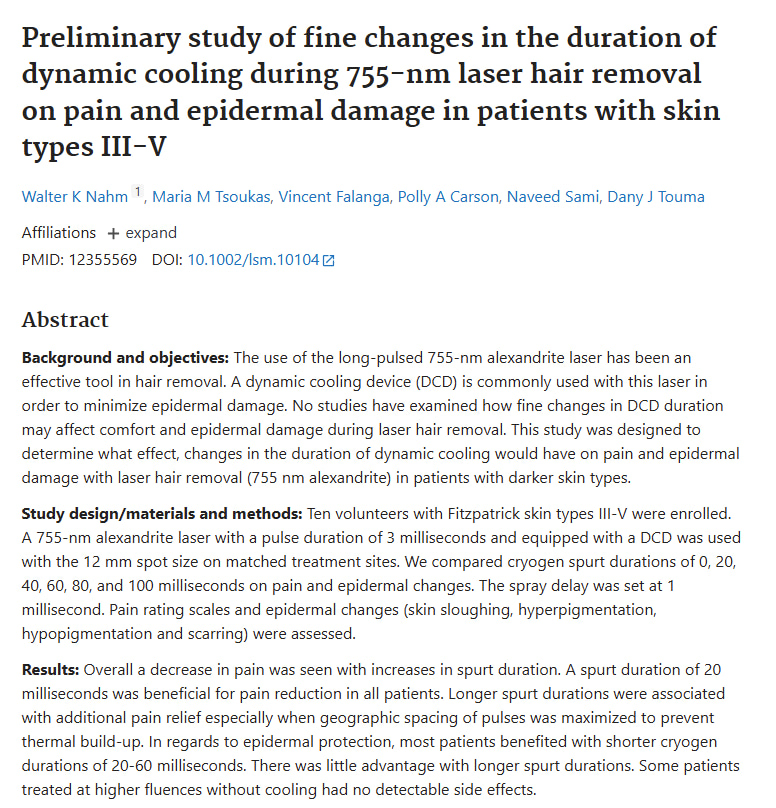
The study mentioned earlier compared different cooling durations using a 755 nm alexandrite laser equipped with DCD.
To summarize the key findings,
when sufficient cooling was used,
epidermal damage was reduced
and pain during treatment also tended to decrease.
Cooling does more than simply make the skin feel cool.
It helps protect the legs from excessive exposure to laser heat.

Ultimately, the risk of side effects during hair removal treatment may depend on
carefully tailored settings that take skin type into account and
cooling that protects the skin’s surface.
These factors can make a difference.
You may forget the cost over time, but changes to your skin can last much longer.
Take the time to understand how the treatment settings are chosen and how your skin will be protected.
You may also be wondering about the equipment used for laser hair removal.
Here’s a related article about the GentleMax Pro Plus, one of the devices widely used for this treatment.
It explains how the device works for hair removal and how it helps protect the skin,
so reading it may also be helpful as you consider treatment at a Seoul Myeongdong dermatology clinic.
That’s all for today. Thank you.
Related Articles to Explore with a Seoul Myeongdong Dermatology Clinic
Euljiro Laser Hair Removal with the GentleMax Pro Plus? Here’s What Sets a Good Clinic Apart.
| Kind Global Clinic Myeongdong Branch |
| 02-318-2888 |
This post was written by Kind Global Clinic
to provide accurate medical information,
in compliance with Article 56 of the Medical Service Act.
All procedures may cause side effects
depending on the individual,
so please consult thoroughly with a medical professional
before making a careful decision.