Lifting
Seoul Myeongdong Dermatology: Which Should You Consider, Ultherapy or ONDA?
Hello.
I’m Lee Kang-in, director of Kind Global Clinic, and I take the time to listen to each patient’s concerns.
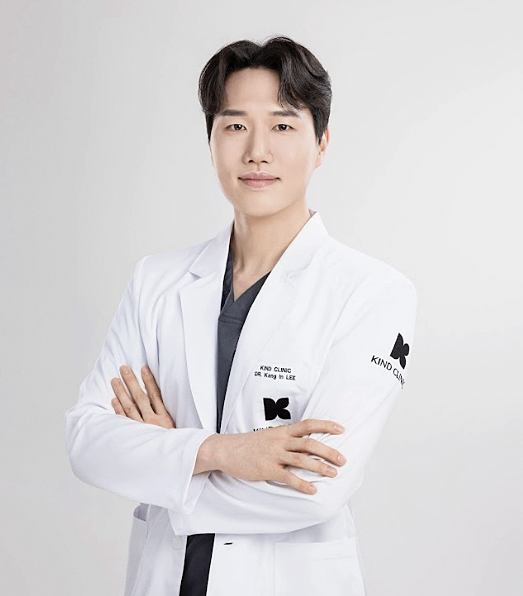
Ultherapy and ONDA,
How to choose between the two treatments at a Seoul Myeongdong dermatology clinic
When looking into lifting treatments, many people wonder which device is right for them.

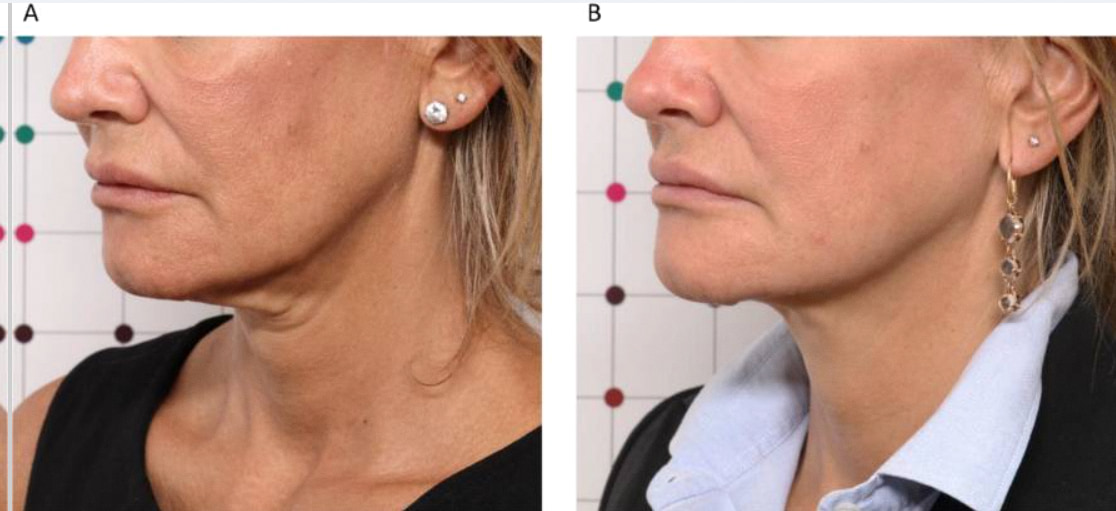
Both devices are used to improve sagging facial contours and skin firmness,
but choosing between them can be difficult because people’s experiences vary.
You may also be wondering about pain during treatment or the possibility of cheek hollowing.
Today, we’ll take a closer look at how the two treatments differ.
Understanding the features of each can help you decide which approach may be right for you.
<Contents>
1. How do Ultherapy and ONDA work differently?
2. Pain, cheek hollowing, and how long results last
3. Can you have Ultherapy and ONDA together?
1. How do Ultherapy and ONDA work differently?
How the devices differ
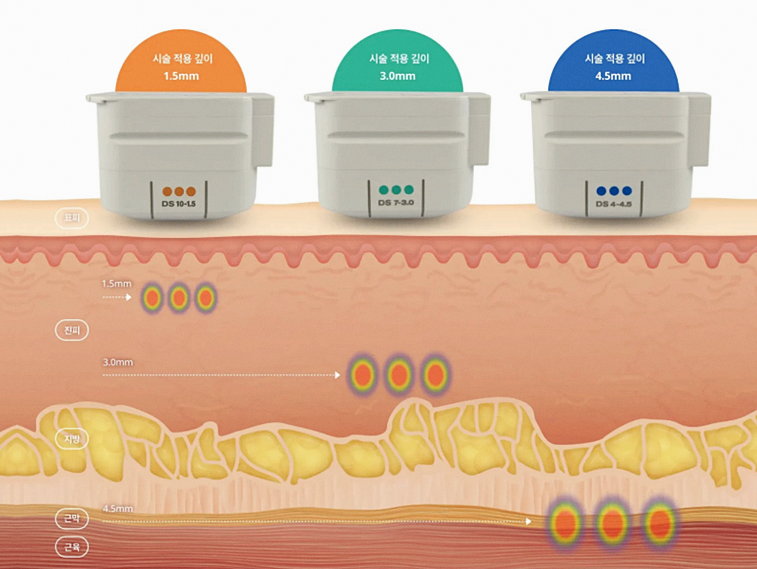
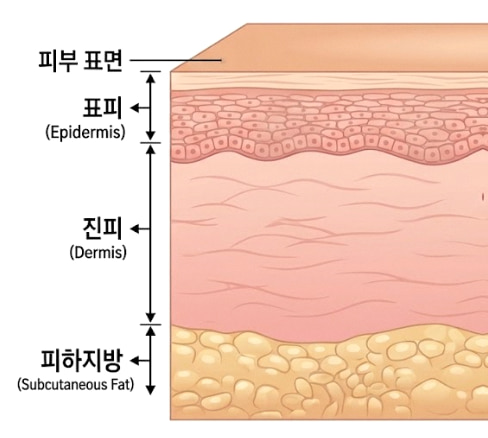
Ultherapy and ONDA are both used for lifting, but they differ in the skin layers their energy reaches.
Ultherapy uses high-intensity focused ultrasound to deliver thermal energy to the SMAS layer beneath the skin.
It can be viewed as a device focused on lifting lax tissue to improve facial sagging.
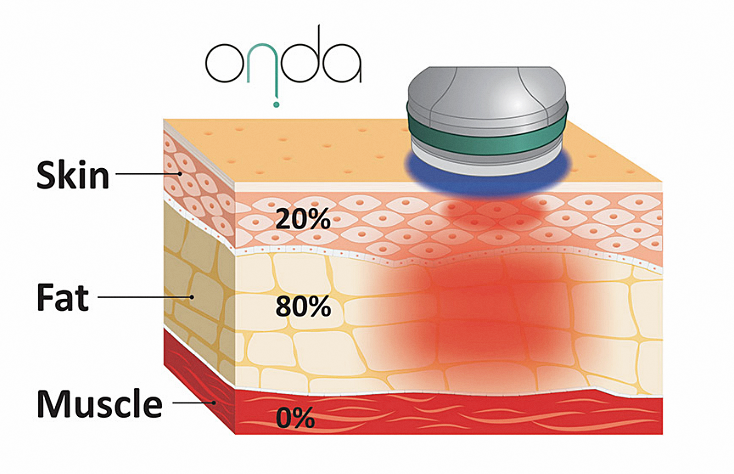
ONDA uses 2.45 GHz microwave energy to target the fat layer and dermis.
It works by reducing excess fat while stimulating collagen regeneration.
It is often used on areas of the face affected by fat, such as a double chin or buccal fat.
Put simply:
Ultherapy: Lifts sagging skin
ONDA: Refines facial contours and improves firmness by targeting fat
This is one way to understand how they work.
2. Pain, cheek hollowing, and how long results last
What to consider with each device
In addition to results, many people are curious about pain, the possibility of cheek hollowing, and how long results last after treatment.
In general, Ultherapy tends to feel more painful.
Ultherapy may cause pain as energy is delivered from the skin’s surface to the SMAS layer.
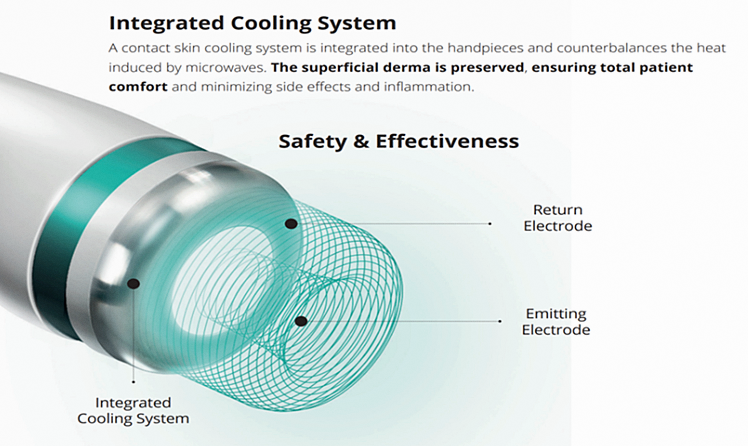
ONDA is designed to target the fat layer selectively with microwaves,
so the sensation as the energy passes through the skin tends to be relatively mild.
It also uses a system that cools the skin’s surface just before treatment, which helps reduce discomfort.

So, what should you consider when it comes to the concern of cheek hollowing?
Cheek hollowing can depend less on the device itself and more on whether the treatment plan and target areas are appropriate.
For example, applying ONDA to a face that does not need fat reduction,
or repeatedly using high energy on areas with a thin fat layer can make the cheeks look hollow.
Results are generally reported to last 6 months to 1 year for Ultherapy and around 6 months for ONDA.
However, how long results actually last depends not only on the device, but also on skin condition, the rate of aging, and lifestyle habits.
Therefore, it is difficult to say that one device is always better than the other.
Because their mechanisms and features differ, it is important to choose based on your current facial condition.
3. Can you have Ultherapy and ONDA together?
Considering combination treatments
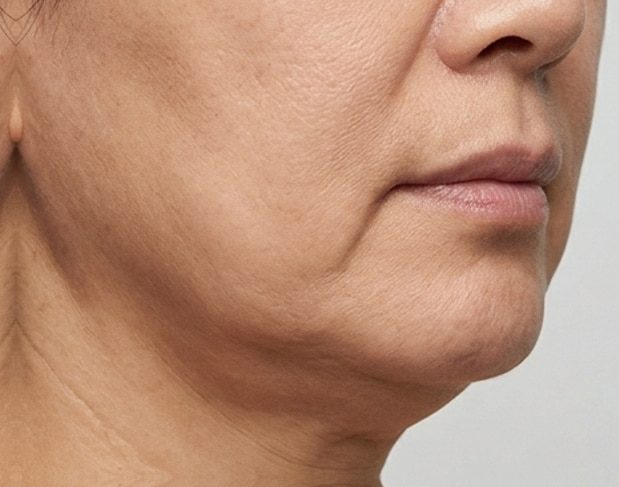
When appropriate, you can also consider having both treatments together.
That’s because facial aging does not result from just one cause.
Skin sagging
Collagen loss
Loss of firmness
Uneven fat distribution
These factors can work together to change the contours of the face.
Let’s also look at a research paper on facial aging and treatment approaches.
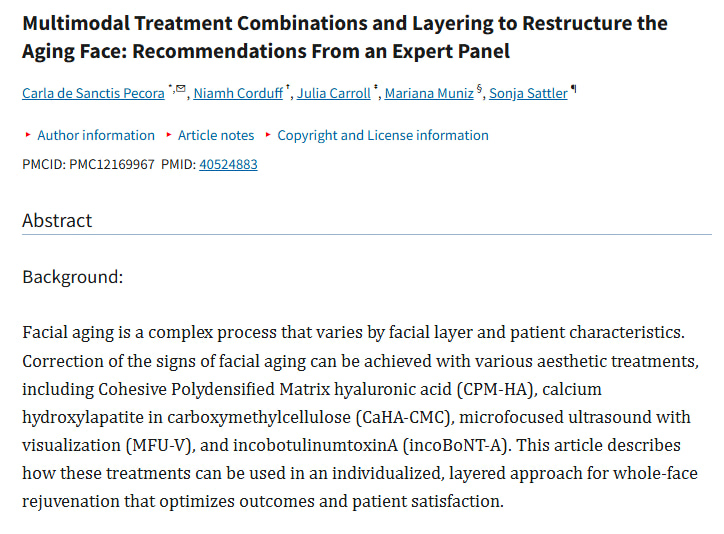
The paper explains that facial aging involves changes occurring simultaneously across multiple layers of the face.
Because these layers affect one another,
treating only the skin’s surface,
reducing fat alone, or
lifting only the SMAS layer
may not be enough to address aging across the face as a whole.
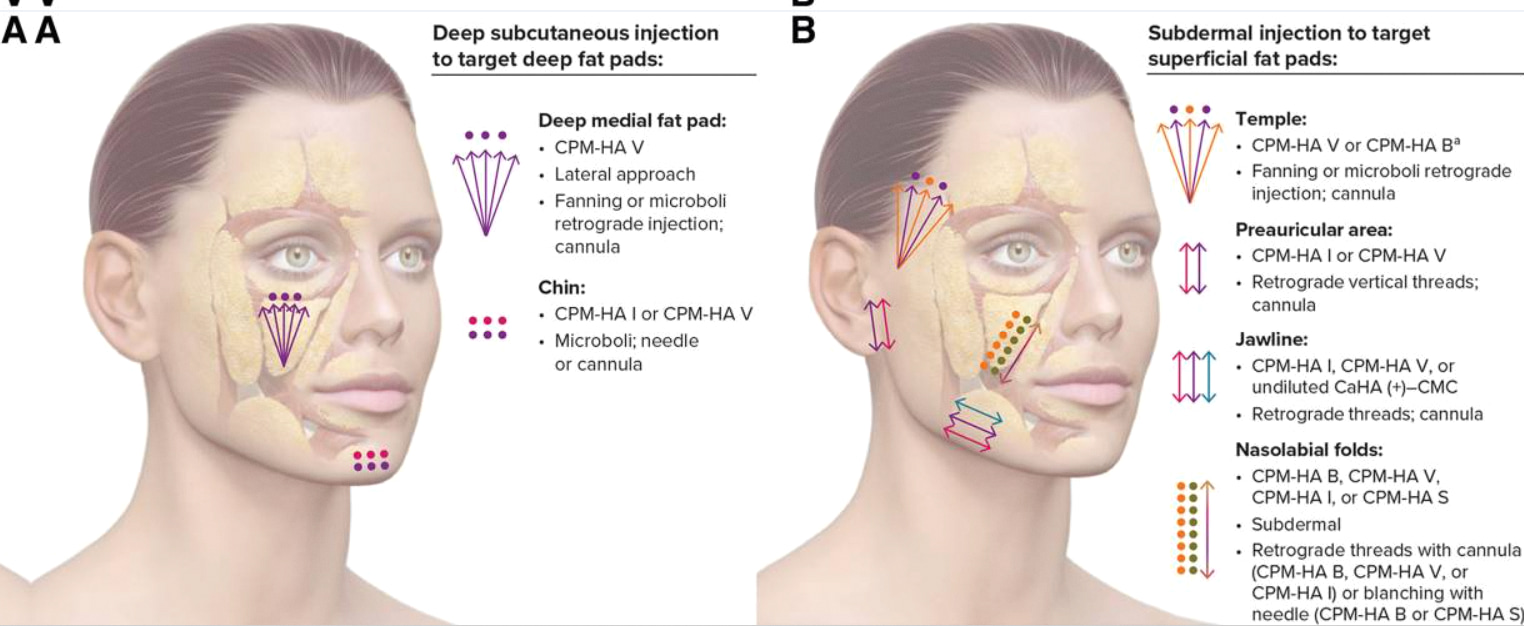
In that regard, rather than focusing on just one approach,
considering the areas where changes have occurred
along with their underlying causes
may help improve patient satisfaction, the paper suggests.
Ultherapy and ONDA can also be considered together from this perspective.
Ultherapy → Lifting focused on the SMAS layer
ONDA → Fat management and improved skin firmness
What if Ultherapy is used to address sagging in deeper layers, while ONDA helps manage facial contours and skin firmness?
You may be able to achieve a synergistic effect by addressing different causes of aging together.
Consider which layer
is contributing to the signs of aging in your face,
and choose a treatment suited to it
It’s important to keep this in mind.
That’s all for today.
If you’re preparing for a consultation at a Seoul Myeongdong dermatology clinic,
Which layer is contributing to my skin concerns?
I encourage you to start the conversation with this question.
A clinic that carefully considers fat distribution, skin thickness, and the degree of sagging can
help you avoid treatments you don’t need and find an approach suited to your current concerns.
Thank you for reading. I’m Lee Kang-in.
Related articles from our Seoul Myeongdong dermatology clinic
Jonggak Station Dermatology: Ultherapy cheek hollowing side effect? How to prevent it
| Kind Global Clinic, Myeongdong Branch |
| 02-318-2888 |
This post was prepared by Kind Global Clinic
in compliance with Article 56 of the Medical Service Act
to provide accurate medical information.
All treatments may cause
side effects depending on the individual,
so please consult thoroughly with a medical professional
before making a careful decision.