Lifting
Jonggak Station Dermatology Clinic: Worried Your Cheeks Might Look Hollow After Ultherapy?
Hello.
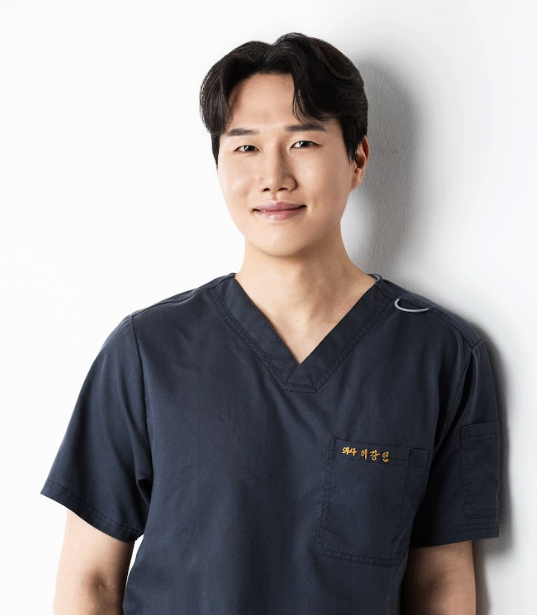
I’m Lee Kang-in, Medical Director at Kind Global Clinic, where we listen closely to each patient’s concerns.
More people are looking into Ultherapy lifting because their facial contours seem less defined than before.
“My facial contours look more defined.”
“My skin feels firmer.”
When you hear people around you talk about experiencing changes like these, you may wonder whether the treatment would be right for you, too.
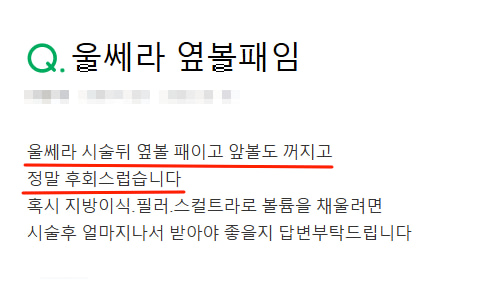
However, if you also hear stories about hollow cheeks after Ultherapy,
you may start to worry, ‘What if that happens to my face, too?’
Since this is a question that often comes up during consultations, I’d like to explain the topic step by step today^^
We’ll look at why cheeks may appear hollow after Ultherapy,
and discuss what to consider—and how to help prevent this—if you hope to improve skin firmness while minimizing concerns.
A Guide to Ultherapy at a Jonggak Station Dermatology Clinic
1. Why can hollow cheeks occur after Ultherapy?
2. What should you consider to reduce the risk of hollow cheeks?
3. Can Ultherapy be combined with other treatments?
1. Why can hollow cheeks occur after Ultherapy?
Jonggak Station Dermatology Clinic
First, Ultherapy is not a treatment performed to make the cheeks look hollow.
However, if the treatment settings are not appropriate for your facial anatomy, changes that feel like hollow cheeks may occur.
This difference is related to the “principle” behind how Ultherapy works.
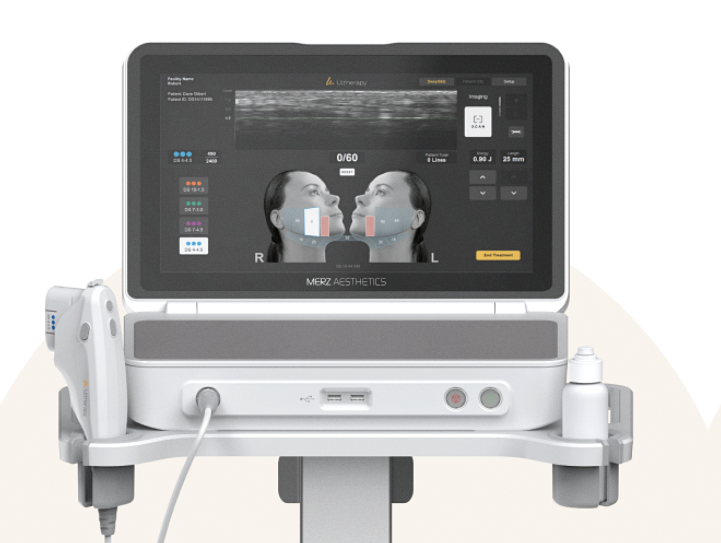
Ultherapy uses high-intensity focused ultrasound (HIFU) to create thermal coagulation points at a specific depth beneath the skin.
When heat energy is delivered to the “SMAS (superficial musculoaponeurotic system) layer,” a deep layer where age-related sagging occurs,
the skin tissue contracts in response.
Over time, new collagen is produced, and you can expect a gradual improvement in skin firmness.
Why might the cheek area look hollow?
Facial thickness and bone structure, as well as the amount of fat in the cheeks, vary from person to person.
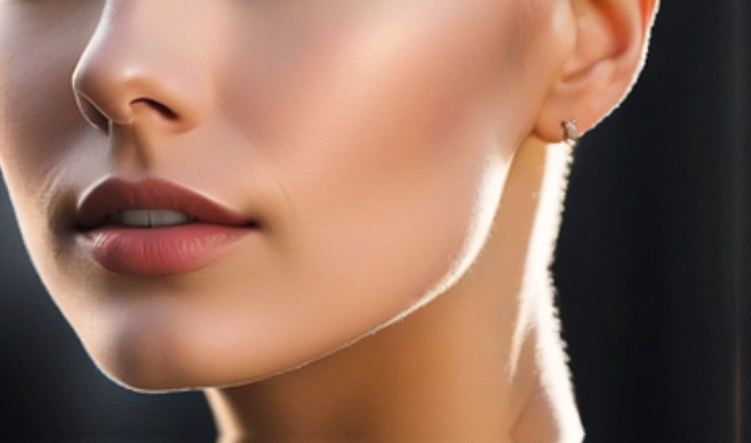
What if someone naturally has a slim face or little cheek fat,
but the energy is set higher than necessary or the treatment depth is not chosen appropriately?
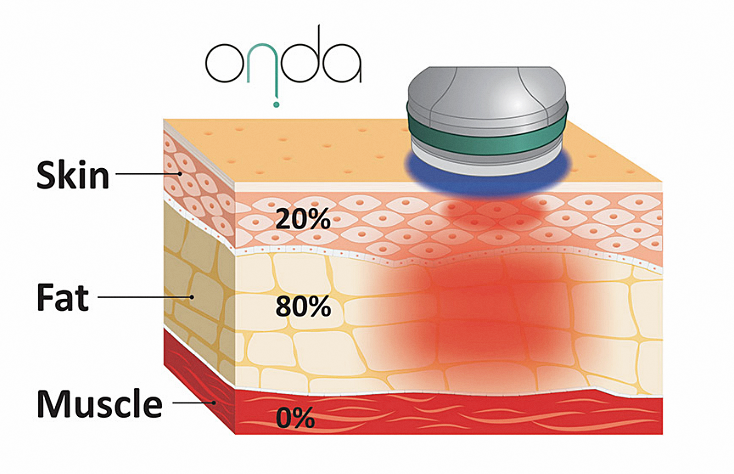
Ultrasound energy may reach not only the SMAS layer but also the fat layer to an excessive degree.
Fat cells are sensitive to heat, so they may shrink when exposed to excessive heat energy.
As a result, the skin’s surface may look tighter while the volume beneath it decreases,
which may be perceived as what is commonly described as the side effect of hollow cheeks.
Ultimately, treatment settings that do not sufficiently account for an individual’s facial characteristics may be one contributing factor.
2. What should you consider to reduce the risk of hollow cheeks?
Jonggak Station Dermatology Clinic
Understanding the possible causes can also help you know what to consider for prevention.
With Ultherapy, the process of “designing and adjusting the treatment to suit each individual’s face” can affect the results.
Here are two approaches that people concerned about hollow cheeks may want to consider.
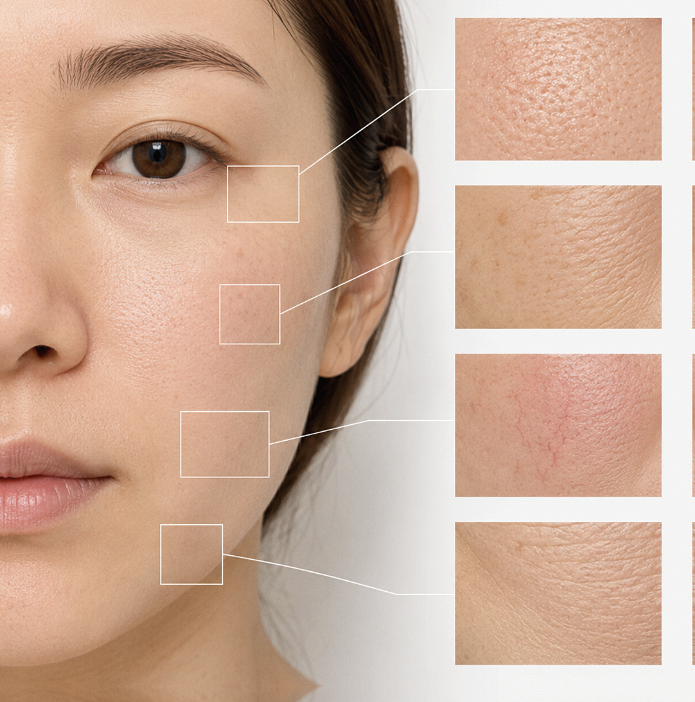
Adjusting the intensity and treatment depth based on skin thickness
Using high energy on everyone is not necessarily appropriate for people with thin, delicate skin on their cheeks.
For thinner areas, it is important to deliver energy at a more carefully adjusted intensity that takes the skin’s condition into account.
By contrast, areas with more noticeable sagging and thicker skin, such as the jawline or jowls,
may require adjustments to both the intensity and depth so that the energy reaches the deeper layers.
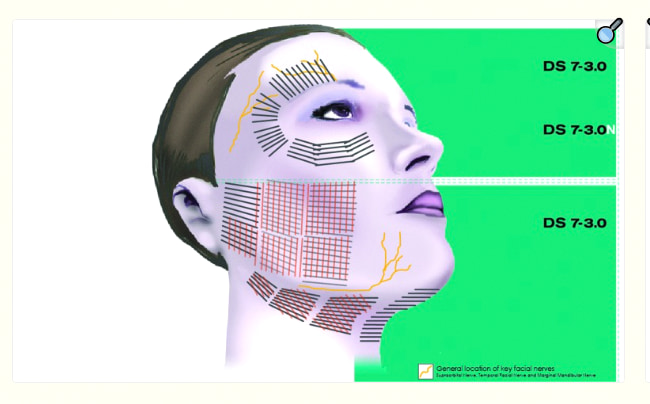
Allocating shots according to each facial area
Applying energy to the entire face at the same intervals and with the same number of shots should be carefully considered.
For areas where the possibility of hollow cheeks should be taken into account, such as beneath the cheekbones or the center of the cheeks, the energy can be lowered or the treatment area adjusted,
while shots can be allocated to areas where firmness is a priority, such as the upper cheekbone line or jawline.
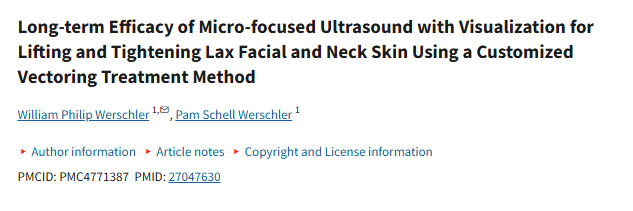
The Fabi study (2015) also discussed the importance of taking a different approach to planning for each area.
The study did not apply the same depth and number of shots to every area of each participant’s face.
Instead, 1.5mm, 3.0mm, and 4.5mm cartridges were selected based on skin thickness and the degree of sagging,
and a customized treatment was performed, with the direction and number of shots adjusted according to the area.
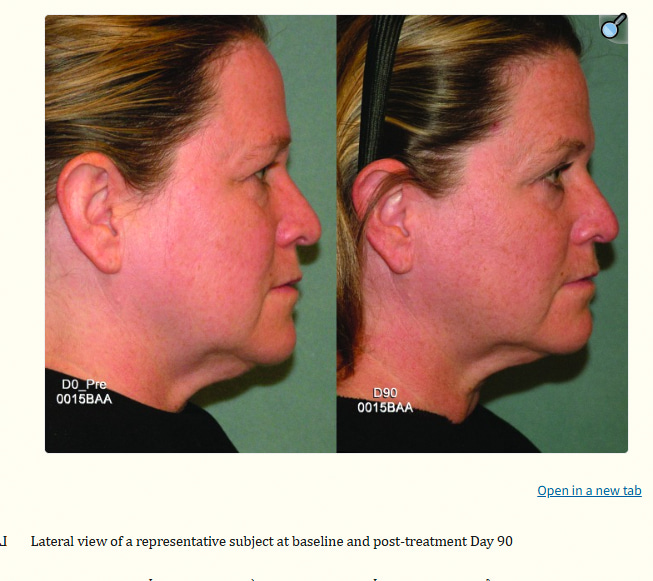
After treatment, improvements in sagging of the face and neck were observed,
and follow-up over the long term showed that the lifting changes remained stable.
This suggests that selecting the areas requiring treatment and stimulating them in consideration of facial structure
can contribute to improving the safety of treatment and patient satisfaction.
3. Can Ultherapy be combined with other treatments?
Jonggak Station Dermatology Clinic
Ultherapy does not directly restore facial volume,
so you may consider planning it alongside other treatments as needed to improve your satisfaction with the results.
For example, if you are concerned about both volume and firmness, you could use Ultherapy to address sagging tissue,
and Juvelook could be used in areas that lack volume.
This may help support facial balance.
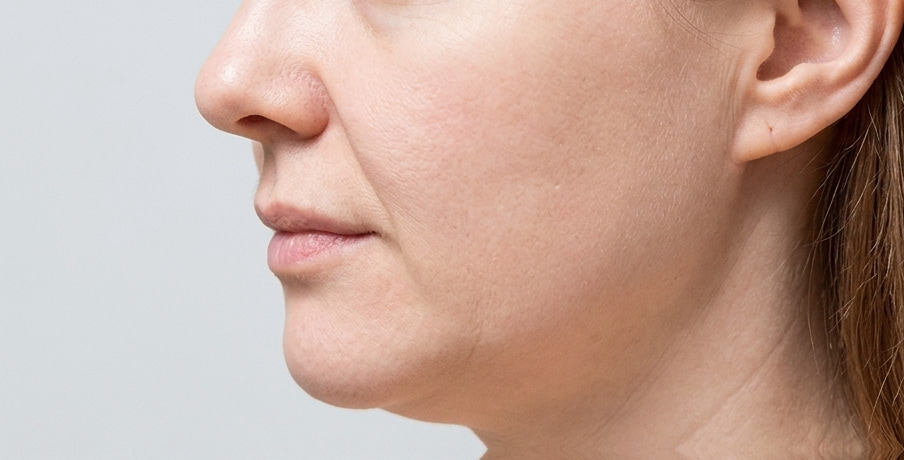
If you are concerned about reduced skin firmness or fine lines as well as sagging,
Ultherapy and Thermage can be combined in an approach that addresses both the skin’s surface and deeper layers.
That said, simply combining multiple treatments does not guarantee better results.
The treatment or sequence needed may vary depending on facial fat volume, skin thickness, and the cause of the sagging.
Please remember that even the same type of treatment can produce different results depending on how it is performed.
Today, we’ve discussed Ultherapy and hollow cheeks at a Jonggak Station dermatology clinic.
I hope this has helped address some of your concerns and questions about hollow cheeks.
Thank you for reading this long post. This was Lee Kang-in.
Related articles from a Jonggak Station Dermatology Clinic
Why results can differ even at a Hoeyeon-dong dermatology clinic known for lifting
| Kind Global Clinic Myeongdong Branch |
| 02-318-2888 |
This article complies with Article 56 of the Medical Service Act
and was written by Kind Global Clinic
to provide accurate medical information.
All treatments may cause side effects
depending on the individual,
so please consult thoroughly with a medical professional
and make your decision carefully.