Pigmentation Treatment
Myeongdong Dermatology Clinic: What Differences Should You Look for in Pico Toning?
Hello.
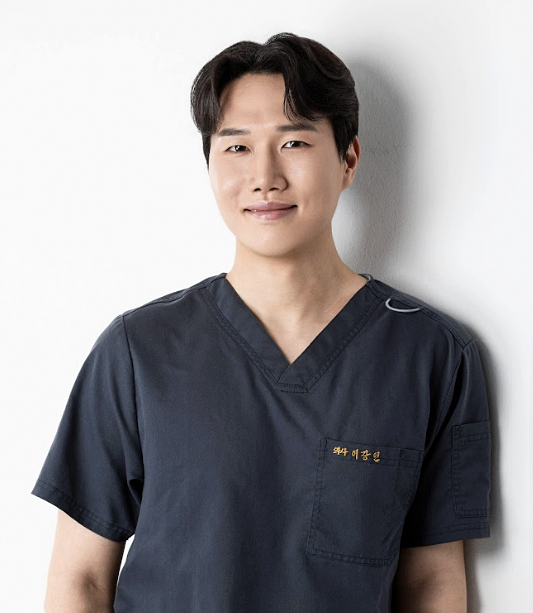
I’m Lee Kang-in, Medical Director at Kind Global Clinic, a Myeongdong dermatology clinic that takes the time to listen carefully to every patient.
You may be looking into Pico Toning because of concerns about melasma, freckles, or blemishes.
You may have read reviews and compared prices, but still feel hesitant about making an appointment.
How is it different from other toning treatments?
Can I see results if I get it at a Myeongdong dermatology clinic?
It’s natural to put off making a decision if you’re unsure about the results, even with treatment coming up.
Today, we’ll go through some of the questions you may have about Pico Toning, one by one.
What sets it apart from other toning treatments, whether it’s suitable for all pigmentation concerns, and how treatment intervals are determined
We’ll take a closer look at the points you may have been wondering about.
Pico lasers
How are they different from other toning treatments?
What to know before treatment
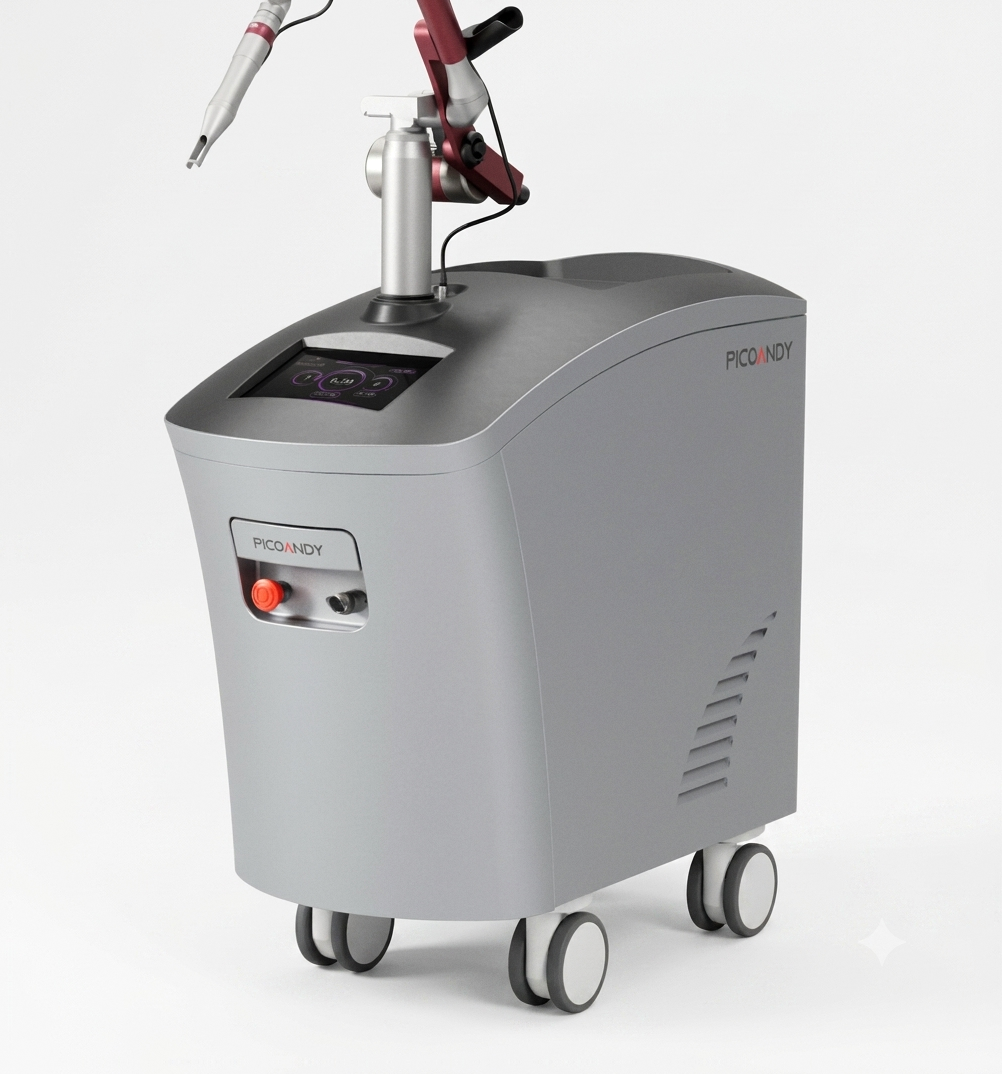
The lasers used in dermatology clinics don’t emit light continuously;
instead, they deliver light in a series of brief pulses.
Each individual burst of energy is called a “pulse.”
Traditional laser toning delivers pulses measured in nanoseconds (one-billionth of a second),
while pico lasers deliver energy in picoseconds (one-trillionth of a second), which is 1,000 times shorter.
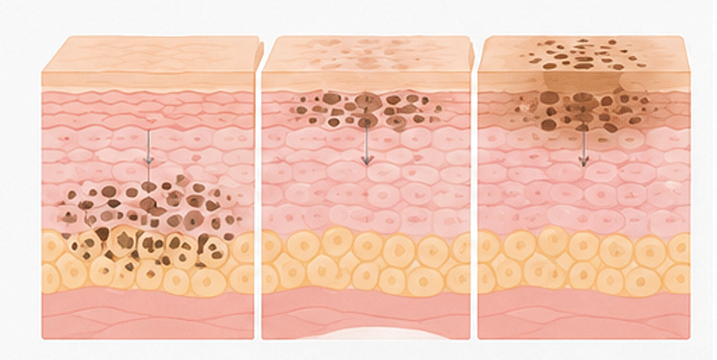
Longer pulse → Heat may spread over a wider area (higher risk of tissue damage)
Shorter pulse → Breaks pigment into smaller particles in a brief moment (less damage to surrounding tissue)
Pico lasers take advantage of their short pulse duration to break down pigment into tiny particles while reducing the burden on the surrounding skin.
As a result, people with thin or sensitive skin may find the treatment relatively less taxing, and it is used to address a range of skin concerns, including
pigmentation treatment
tattoo removal
melasma and blemish treatment
acne scar improvement
pore and skin texture improvement
among other concerns.
Do pico lasers and Pico Toning mean the same thing?
What to know before treatment
The short answer is no, the two terms do not mean the same thing.
This is something people often confuse.
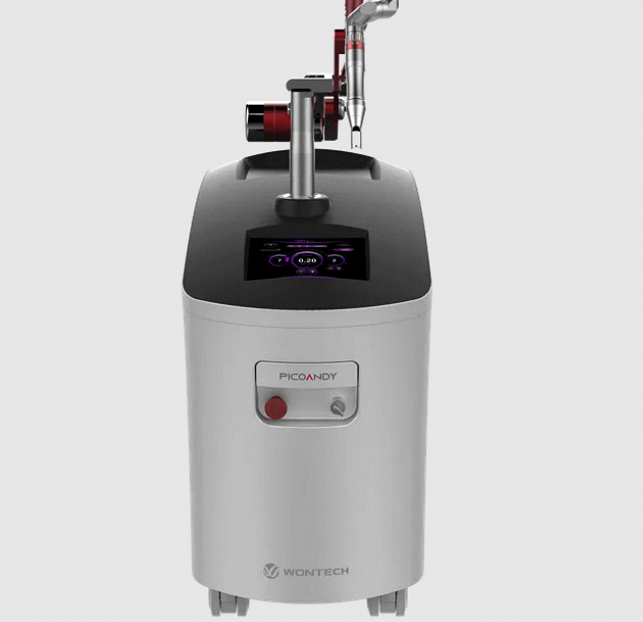
A pico laser refers to the equipment and technology, while Pico Toning is one of the treatment methods that uses this equipment.
Pico laser = the tool used for treatment
Pico Toning = a program performed using that tool
This distinction makes it easier to understand.
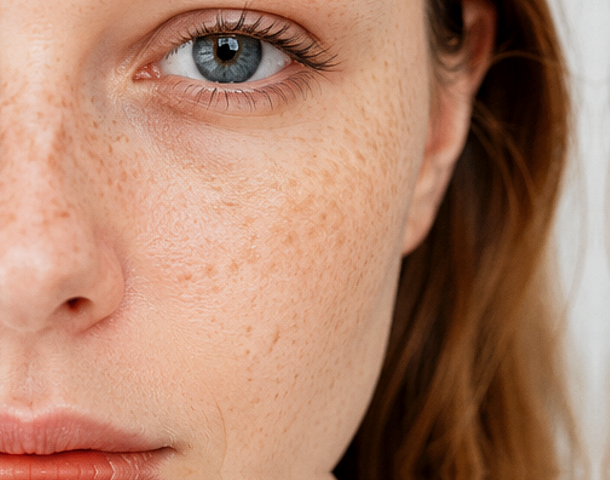
It’s important to distinguish between the two because the energy output and treatment settings vary depending on the purpose.
Even when a picosecond laser is used, Pico Toning delivers relatively low energy evenly across the skin
to even out the skin tone across the face
and gradually help fade pigmentation.
Unlike applying high energy to remove a single lesion, this approach gradually reduces pigmentation spread across the face.

One point to note is its “low energy output.”
Using a lower output can help reduce the stimulation and heat damage delivered to the skin during treatment.
Therefore, rather than expecting a major change after just one session, it’s best to understand Pico Toning as a treatment where you can expect
gradual improvement by repeating sessions
at regular intervals
and seeing your skin become clearer over time.
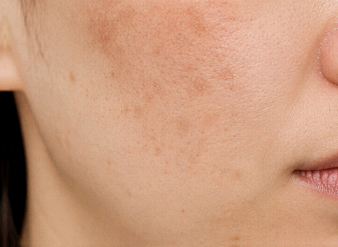
On the other hand, the same pico laser can be used with different energy outputs or treatment methods
in modes that use relatively high energy, such as for tattoo removal or treating dark pigmented lesions.
Ultimately, the purpose and nature of treatment differ depending on how the same equipment is used.
What skin concerns can Pico Toning address?
What to know before treatment
Pico Toning is primarily used as a laser treatment to improve pigmentation conditions.
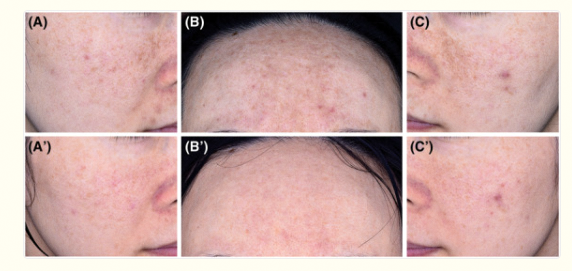
It is often used for common concerns such as melasma, freckles, blemishes, and hyperpigmentation.
As mentioned earlier, you may not see a significant change as soon as you start treatment.
Instead, think of it as gradually evening out your overall complexion and reducing dullness.
Melasma in particular can be affected not only by the deeper layers of the skin but also by blood vessels and the skin’s response to irritation,
so the response to treatment can vary from person to person.
Even with the same treatment, some people may see changes quickly, while others may notice slower progress.
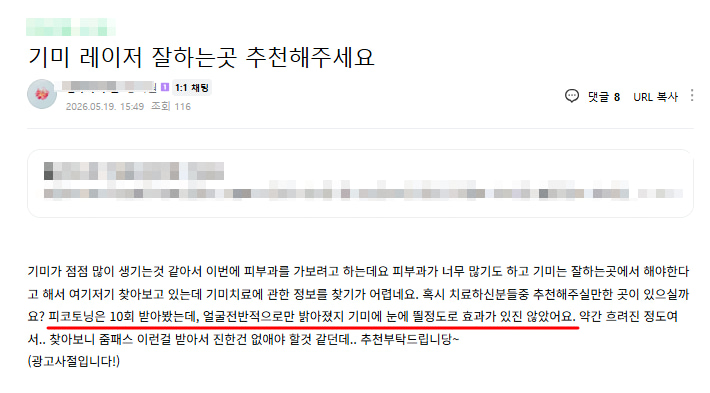
It’s not uncommon to see reviews from people who say they didn’t notice as much of a difference as they had hoped.
This treatment may also take time to achieve the results you’re looking for.
This is also why treatment intervals are determined differently for each person.
Treatment is generally performed at intervals of 1–2 weeks or 2–4 weeks, but these schedules don’t apply to everyone.
Type and depth of pigmentation
Degree of skin sensitivity
Past laser treatment history
Presence or absence of an inflammatory response
The treatment interval may vary depending on these factors.
You can think of it as a step-by-step treatment that allows time for your skin to recover.

We’ve covered the features of Pico Toning available at Myeongdong dermatology clinics and what to keep in mind.
We hope this has helped answer some of your questions.
Please remember that treatment is ongoing, rather than a way to achieve significant changes in a short time.
We’ll be back with more helpful information next time. Thank you.
More articles to read alongside your Myeongdong dermatology care
| Kind Global Clinic Myeongdong Branch |
| 02-318-2888 |
This post was written by Kind Global Clinic
in compliance with Article 56 of the Medical Service Act
to provide accurate medical information.
All procedures may cause
side effects depending on the individual,
so please consult thoroughly with a medical professional
before making a careful decision.